Fibroadenoma

Fibroadenoma is most common benign (non-cancerous) tumor of the breast. It is often discovered accidentally by self-examination. A uniform, firm, mobile, painless, well defined mass is felt on palpation. Commonly they are bilateral and 2-3 cm in diameter. It may occur between 15-50 years of age. The exact cause of fibroadenoma is not known. Hormonal treatment for other diseases has been associated with higher risk of developing fibroadenoma.

Although the treatment is surgical but it can be treated with homoeopathic medicines prescribed on holistic basis. A clinical study conducted at GCCHR has shown encouraging results:

TOTAL CASES OF UNILATERAL FIBROADENOMA – 155

S. No.

Status of Patient Number of Cases

Percentage

1. Positive Response

72

46.45%

  1 (a). Cured

23

14.84%

  1 (b). Improved

49

31.61%

2. Status Quo

48

30.97%

3. Not Improved

35

22.58%

Total

155

100%

TOTAL CASES OF BILATERAL FIBROADENOMA – 118

S. No.

Status of Patient Number of Cases

Percentage

1. Positive Response

48

40.68%

  1 (a). Cured

5

4.24%

  1 (b). Improved

43

36.44%

2. Status Quo

41

34.74%

3. Not Improved

29

24.58%

Total

118

100%


Thyroid Disorders

The function of the Thyroid hormones T3 and T4 (composed of Iodine) is to regulate metabolism and they are secreted by the Thyroid Gland (in the neck) under the influence of Thyroid Stimulating Hormone (TSH) which is itself secreted by the Pituitary Gland (within the brain).

Hypothyroidism is the most common disorder of the Thyroid Gland which results from insufficiency of the Thyroid Hormones. The chief cause was believed to be lack/absence of Iodine in diet. However, despite widespread fortification of dietary common salt with Iodine, cases of the disease are constantly on the rise.

This is because recent researches suggest that it is the mind, the psychological state and stress which plays a major role in the development of most of the thyroid disorders. Homoeopathy is a medical science which does not view the mind and body separately. It recognizes the role of mind in the development of diseases and considers not only the diseased organs but also the mental state of a person while prescribing medicine.

On this basis, numerous thyroid diseases are being successfully treated at GCCHR, thereby preventing long term (presumably lifetime) intake of thyroid supplements in the form of hormone replacement and surgeries. The outcome of our work is mentioned below –

S. No. Diagnosis No. of Cases Cured Improved Status Quo Not Improved
1 Hypothyroidism 202 78 87 18 19
2 Hyperthyroidism 15 8 5 1 1
3 Thyroid Adenoma 22 2 10 3 7
4 Goitre 6 1 4 1
5 Thyroid cyst 6 4 2
6 Thyroiditis 4 3 1
7 Multi Nodular Goitre 16 1 7 2 6
8 Grave’s Disease 9 2 3 3 1

Benign Prostatic Hyperplasia

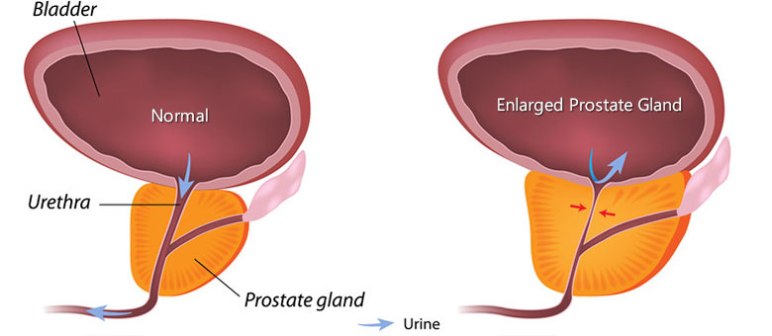
Benign prostatic hyperplasia (BPH) has been the most frequent reason for elderly men undergoing surgery. The successful management and treatment of BPH should seek both to improve symptoms and prevent disease progression.

Our work has shown the potential of homoeopathy in the treatment of BPH in terms of clinical improvement as well as diagnostic parameters. On the basis of encouraging results of in-house treatment data, Central Council for Research in Homoeopathy (CCRH) funded a research project to work on patients of BPH which has been successfully completed in year 2009 and published in IJRH journal of the council. The outcome data of patients treated at GCCHR is as under:

Total cases of BPH – 658

S.No.

Status of PatientsNo. of PatientsPercentage
1Cured

132

20.06%

2Improving

290

44.07%

3Status Quo

106

16.11%

4Not Improving

130

19.76%

(data as on 1 Sep 2016)

Alopecia areata

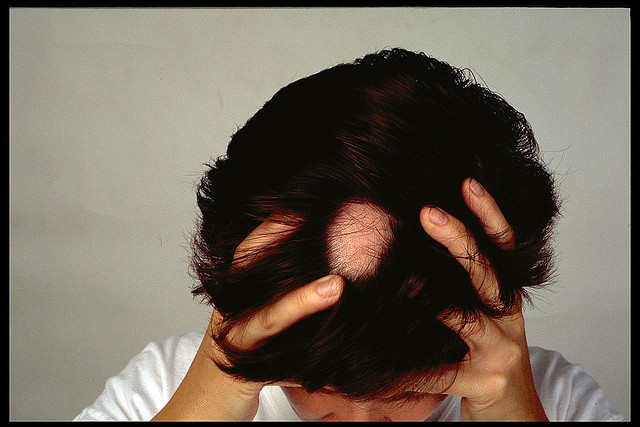
Alopecia areata is a condition with patchy loss of hair from some areas of the body. It causes bald spots on the scalp and beard and called “SPOT BALDNESS”. Alopecia is an autoimmune condition in which some antibodies attack the hair follicles. Fungal infection (Microsporum species) may be secondary cause of hair root damage.

Homoeopathic treatment gives encouraging results as the person is treated on holistic basis by constitutional medicines. A short clinical study conducted at GCCHR has given good results as mentioned below:

Total no. of cases of Alopecia with photographic evidence – 58

Status

Best Improving Improving SQ

Not Improved

Total no. of cases

24

23 9

2

Percentage (%)

41.38 %

39.65 % 15.52 %

3.45 %

Gall bladder stones (Cholelithiasis)

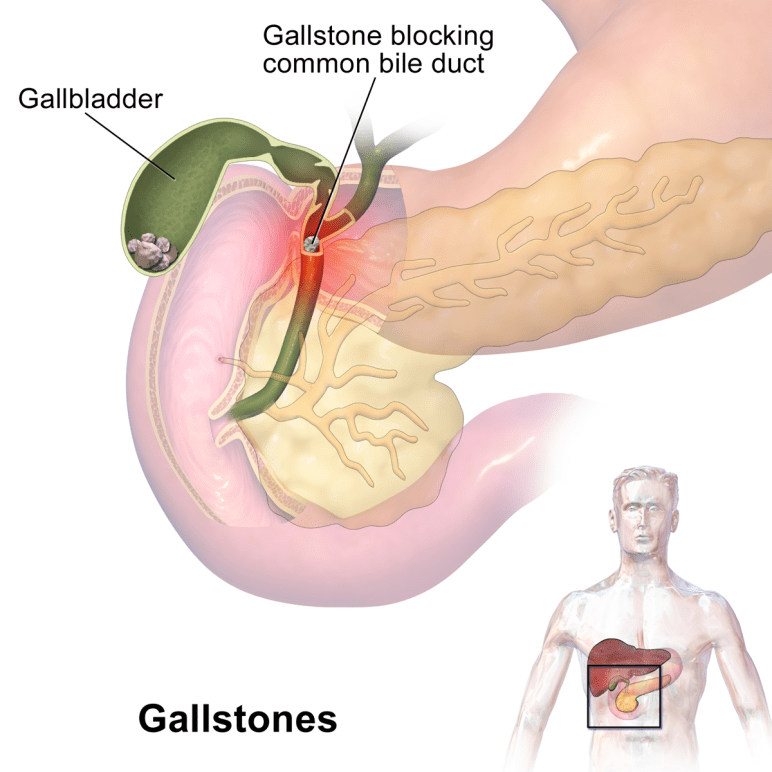
Gall stones are common biliary pathology. Its treatment is chiefly surgical removal of gall bladder and is one of the most common operations performed by surgeons. Although lot of cases have been treated by homoeopathy, the outcome is not very encouraging (as is evident from our research data given below).

However, the results of study conducted at GCCHR remove the prevalent myths from the mind of physicians, surgeons and even public that gall stones can’t be treated by medicines. It is also evident that unlike kidney stones, dissolution of gallbladder stones is very rare event, although not impossible. Nevertheless, it gives a ray of hope to pediatric, geriatric and patients suffering from diabetes, hypertension and other systemic diseases in whom surgery is contraindicated.

Total cases of Gallbladder stones – 316

S.No.

Outcome measure Single Stone (n=120) Multiple Stones (n=196)
No. of Patients Percentage No. of Patients

Percentage

1 Cured

11

9.17% 22

11.22%

2 Improved

28

23.23% 37

18.88%

3 Status Quo

52

43.43% 105

53.57%

4 Not Improved

29

24.17% 32

16.33%